The Core Philosophy of Zero Downtime
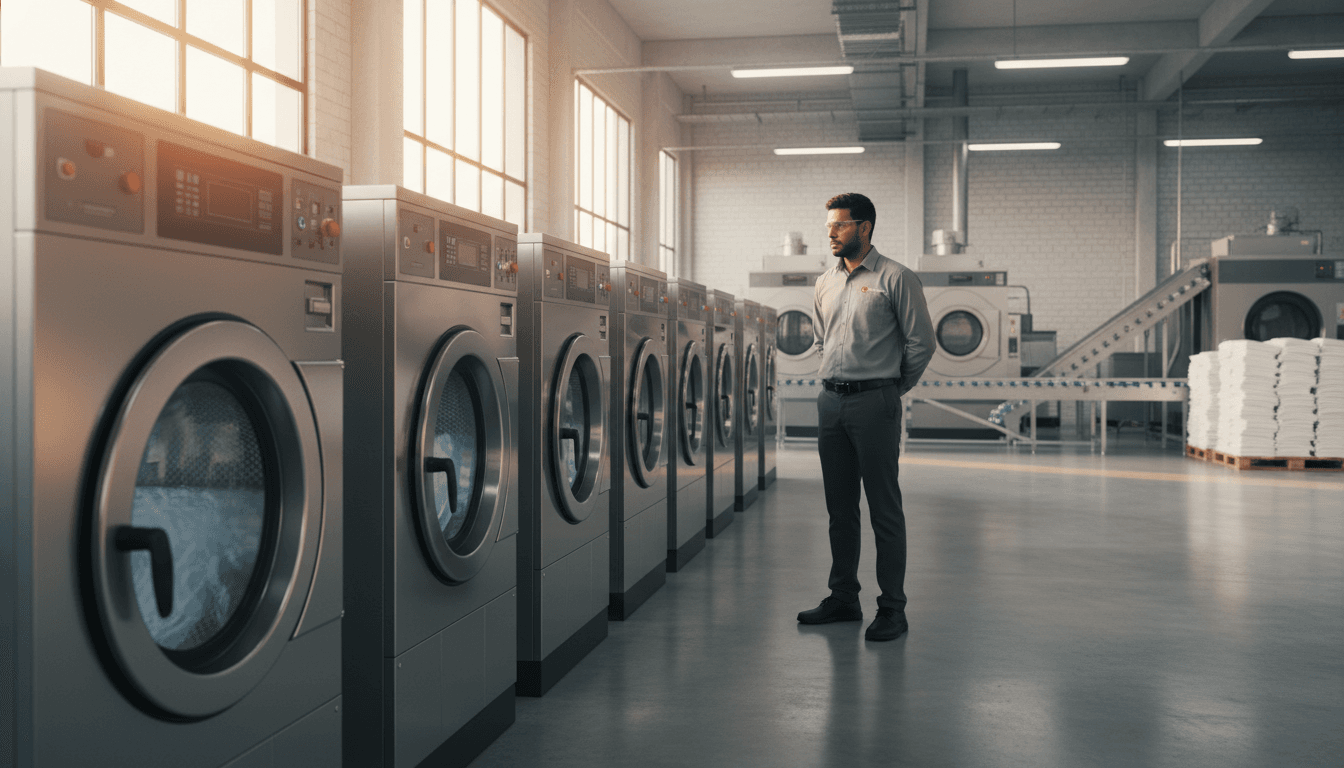
In the high stakes world of industrial laundry operations, time is the most expensive commodity. Every minute a washer extractor sits idle represents more than just a temporary halt in production; it is a direct hit to the facility's bottom line and guest satisfaction scores. The core philosophy of preventive maintenance is the transition from a reactive fix it when it breaks mentality to a proactive predict and prevent strategy. This paradigm shift is what separates elite hospitality and healthcare operations from their struggling competitors.
By implementing a rigorous maintenance schedule, facilities can virtually eliminate unplanned downtime, ensuring a seamless flow of clean linen that keeps the establishment running like a well oiled machine. At Sunshine Equipments, we define preventive maintenance as a series of scheduled inspections, adjustments, and component replacements performed to mitigate the risks of operational interruption. This isn't just about avoiding disaster; it is about extending the peak performance window of your hardware for several decades.
A machine that is properly maintained operates with higher efficiency, meaning it uses less water and electricity to achieve the same or better results. Over the course of a year, the utility savings alone often exceed the total cost of the maintenance program. Furthermore, the psychological impact on your staff is significant. A team that works with reliable, well maintained equipment is more focused, productive, and proud of their workplace.
We believe that maintenance is an investment in brand equity. When a hotel guest experiences the perfection of a crisp, white sheet, they are seeing the end result of a technician who checked the ironer's oil level three months prior. Excellence in laundry is built on the silent, consistent work of preventive care. Our guide is designed to provide you with the technical depth and operational clarity needed to build a world class maintenance culture in your facility.
The foundation of this philosophy is data. By tracking machine performance and utility metrics, you can see the subtle deviations that indicate a part is wearing down. This visibility allows for scheduled part replacement during low occupancy periods, rather than emergency repairs during a peak holiday weekend. This total control over the machine's lifecycle is the ultimate goal of any serious laundry manager.
The Anatomy of Commercial Laundry Failure
Most technical failures in industrial laundry machines do not happen overnight. They are the cumulative result of minor stresses that go unnoticed over weeks and months. A loose belt, a mineral coated heating element, or a slightly misaligned bearing are the quiet precursors to a catastrophic shutdown. Understanding the anatomy of these failures allows technicians to intervene at the earliest stage, saving thousands in repair costs.
Mechanical stress points are the most common culprits. Think of the massive torque required to spin a wet load of towels at 400 G-force. This puts immense pressure on the bearing housing and the drive motor. If the suspension springs are even slightly worn, the resultant vibration can cause micro-cracks in the machine's frame or tub. By the time a leak is visible to the operator, the damage to the internal structure may already be irreversible.
Electrical failures often stem from heat. Loose wire connections create resistance, which generates heat, eventually melting the insulation and causing a short circuit. In the humid environment of a laundry room, this heat also accelerates corrosion on PC boards and contactors. Regular thermal scanning of electrical panels can identify these hot spots before they lead to a fire or a controller blackout.
Water related failures are perhaps the most insidious. Chlorine and other chemicals are highly corrosive to low grade metals. If the internal seals of a pump or a valve are not replaced on schedule, the chemical rich water can leak onto electronic components or into the motor housing. This chemical stress is why we only use high grade 304 stainless steel and industrial grade polymers in our Sunshine Equipments hardware. we build to resist the unique chemistry of professional laundry.
Human error, while not a mechanical part, is often the root cause of component failure. Overloading a washer puts excessive strain on the drive system, leading to premature belt snapping and motor overheating. Training staff to respect the weight limits and cycle protocols is a critical part of the preventive maintenance ecosystem. A single day of abuse can undo months of careful maintenance work.
Daily Vigilance: The 5-Minute Inspection
The most effective form of maintenance is the daily check. These are simple tasks that can be performed by the machine operator at the start of every shift. They require no tools and take less than five minutes, but they are the first line of defense against breakdown. We call this daily vigilance. It is about being in tune with the machine and noticing changes in sound, smell, or visual appearance.
For washing machines, the daily check starts with the door gasket. Inspect the rubber seal for any signs of wear, tears, or residue buildup. A clean gasket ensures a watertight seal and prevents the growth of mold that can transfer odors to the linen. Next, check the detergent dispenser for clogs. If the chemicals are not flowing freely, the wash quality will suffer, leading to costly re-washes. Finally, listen for any unusual tapping or grinding noises during the initial wash cycle.
Dryer operators must focus on the lint filter above all else. A clogged filter restricts airflow, forcing the motor to work harder and the heater to run longer. This not only wastes energy but also poses a severe fire risk. Clear the filter after every single load. Additionally, check the dryer drum for any debris or foreign objects that may have survived the wash. A single forgotten coin can scratch the drum and damage hundreds of dollars worth of bedsheets.
Ironers require a visual inspection of the feed belts and the ironing surface. Ensure the belts are clean and properly tensioned. Check the emergency stop bars to verify they are functional. A daily test of the safety systems is non negotiable in a professional environment. These small habits create a culture of safety and precision that permeates the entire laundry department.
At the end of the day, wipe down the exterior of all machines with a damp cloth. Removing the dust and lint from the surface prevents it from being sucked into the air intakes or accumulating on the electrical panels. A clean machine is easier to inspect and more pleasant to operate. These five minutes of daily care are the secret to keeping Sunshine equipment looking and performing like new for years to face.
Weekly Optimization Checklist
Once a week, the maintenance team should perform a slightly deeper dive into the equipment status. This weekly optimization focuses on components that require regular cleaning or adjustment but do not need daily attention. It is the bridge between operator checks and professional technical audits. This layer of care ensures that minor drifts in performance are corrected before they become problems.
Checking the water inlet filters is a weekly priority, especially in regions with variable water quality. These mesh screens protect the internal solenoids from sand or mineral particles. If they become clogged, the machine will take longer to fill, extending cycle times and reducing productivity. Simply rinsing them under clean water is enough to maintain full flow. Also, inspect the drain valves for any debris is trapped that might cause a leak or a drainage failure.
For dryers, use a vacuum to reach into the lint housing area that isn't accessible during the daily filter wipe. Check the exhaust vent on the back of the machine for any signs of obstruction. Proper airflow is the engine of dryer efficiency, and even a ten percent restriction can lead to a notable increase in gas consumption. We also recommend checking the drive belt tension on the weekly round to ensure no slippage is occurring.
Ironers need a weekly wax or silicone application depending on the model. This keeps the ironing surface smooth and prevents the linen from sticking or dragging. Check the pressure of the rollers to ensure an even finish across the entire width of the machine. An uneven ironer will result in wrinkled edges on your sheets, which guest will certainly notice. Consistency in weekly care leads to consistency in guest experience.
Monthly Deep Dives: Technical Integrity
Every four weeks, a formal technical inspection should be conducted by a trained engineer. This is a deep dive into the guts of the machine. It involves removing access panels to inspect internal components that are hidden from view. The focus here is on mechanical integrity and electrical health. This is where we look for the true signs of wear that indicating it is time to order a replacement part.
On washers, the engineer should inspect the main motor and the drive system. Look for any signs of grease leakage from the bearings or dust accumulation on the motor cooling fans. Check the suspension dampers for any oily residue, which indicates that the hydraulic fluid is leaking and the damper needs replacement. Test the water heating elements for mineral buildup and perform a descaling cycle if necessary to maintain thermal efficiency.
Dryers require a thorough cleaning of the blower fan. Dust can accumulate on the fan blades, unbalancing the assembly and causing vibration that eventually kills the blower motor. Check the gas burner for a clean blue flame, or inspect the electric heating coils for any signs of sagging or hot spots. Test the moisture sensors against a manual hygrometer to ensure they are still accurate within five percent.
For the entire facility, inspect the electrical panels for loose connections. Use an infrared thermometer to spot any breakers or contacts that are running unusually hot. This monthly electrical audit is your best defense against catastrophic fire or controller failure. Tighten any terminals that have vibrated loose over the weeks. This level of detail is why our clients experience the lowest total cost of ownership in the market.
Quarterly Precision & Calibration
Every three months, the focus shifts to precision. Machines are not just pieces of moving metal; they are scientific instruments that rely on precise values for timing, temperature, and torque. Over time, these values can drift. Quarterly calibration brings the machine back to its factory specifications, ensuring that every load is processed with the exact same parameters as the first day.
Calibration of the chemical dosing system is a quarterly must. If the pumps are off by even ten milliliters, it can lead to poor cleaning or chemical damage to the linens. We verify the flow rate of every pump in the system against a graduated cylinder. This ensure that your textile investment is being protected by the exact concentration of detergent required. At industrial scales, this precision saves thousands in chemical costs annually.
Temperature sensors in both washers and dryers are tested for accuracy. If a machine says it is at 60 degrees but it is actually at 50, you are not achieving sanitization. If it is actually at 70, you are wasting energy and ruining delicate fabrics. We use certified reference thermometers to calibrate the internal sensors. This guarantee of thermal accuracy is why our hospitals and hotels pass their health audits with flying colors every time.
Leveling and alignment are re-checked. As buildings settle and machines move during heavy extract cycles, they can drift out of level. A machine that is not perfectly flat will suffer from uneven bearing wear and increased vibration. We use precision levels to adjust the feet and ensure the machine is sharing the load equally across its entire frame. This attention to detail is the hallmark of professional maintenance.
Annual Overhauls & Professional Auditing
Once a year, every machine should undergo a comprehensive overhaul. This is more than an inspection; it is a renewal process. The goal is to return the machine to like new condition. This typically involves the replacement of major wear parts regardless of their current visible condition. This preventive replacement strategy is the ultimate guarantee of reliability for the following twelve months.
During the annual overhaul, we replace all drive belts, water inlet hoses, and drain valves. These rubber and plastic components have a finite life in a high heat environment, and replacing them before they fail is always cheaper than an emergency service call. We also perform a deep cleaning of the heating chambers and water tubs to remove every trace of mineral scale and sediment. This returns the machine to its peak energy efficiency.
A full load test is performed, monitoring all electrical and mechanical parameters during a 24-hour stress test. We check motor amp draws, noise decibels, and cycle times against the original factory bench marks. This annual audit provides the facility manager with a detailed report on the health of their entire equipment fleet, allowing for long term capital planning and budget forecasting.
Washer-Extractor PM Specialization
Industrial washers are the workhorses of the facility and require specialized maintenance focusing on the dynamic between water, mechanical action, and chemicals. The main bearing is the heart of the machine. It carries the entire weight of the wet load and must spin at incredible speeds. If the bearing seal fails, water enters the bearing housing, washing away the grease and leading to a metal-on-metal failure that can destroy the main drive shaft.
Our PM protocol for washers includes a monthly inspection of the bearing seal for any signs of moisture. We use high performance synthetic greases that can withstand the high temperatures of steam cycles. We also check the suspension system, specifically the hydraulic dampers that absorb the shock of an unbalanced load. If these dampers are worn, the machine will "shake" more during extraction, putting stress on the entire building structure.
Dryer PM: Fire Prevention First
Dryer maintenance is primarily a matter of safety. The combination of high heat, flammable lint, and oxygen is a dangerous trifecta. Our preventive maintenance for dryers ignores aesthetics and focuses purely on airflow and thermal control. If the air can't flow, the heat stays in the drum, and the fire risk triples. We look at every inch of the exhaust ducting, from the machine to the roof vent, ensuring it is clear of obstructions.
We test the fire suppression systems quarterly. If a fire starts in the drum, the machine must be able to detect it and douse it within seconds. We also calibrate the high limit thermostats. These are the safety devices that shut off the heat if the machine exceeds its safe operating temperature. If these fail, the machine becomes a literal oven. Maintaining these safety devices is the most important job of any maintenance technician.
Flatwork Ironer PM: The Finishing Touch
Ironers are precision instruments that rely on a smooth, non stick surface. PM for ironers focuses on the rolls and the padding. Over time, the heavy duty fabric that wraps the ironing roll becomes compressed and loses its ability to absorb moisture. Replacing this padding annually ensures that your sheets come out crisp and smooth without any "wet spots" or "glazing." We also inspect the scraper bars that peel the linen off the roll to ensure they aren't snagging the fabric.
Steam leaks are a common efficiency killer on industrial ironers. Even a small leak on a rotary joint can waste thousands in fuel costs over a year. We use specialized steam leak detectors to find these invisible losses and repair them instantly. We also calibrate the variable speed drive to ensure that the ironer is perfectly synchronized with the folders down the line, preventing the sheet from being pulled or wrinkled during the transition.
Steam System & Thermal Efficiency
In large facilities, steam is the lifeblood of the laundry. Maintaining the integrity of the steam lines is critical for both safety and cost. A single leaking steam trap can consume hundreds of dollars in fuel every month. Our PM program includes a thermal audit of the entire steam distribution network. We check the insulation on all pipes to ensure that the heat reaches the machine rather than heating up the hallway.
We also monitor the quality of the steam. "Wet steam" contains water droplets that can stain delicate linens and cause "water hammer" in the pipes, which can lead to pipe bursts. We ensure that the main boilers and the steam separators are working correctly to provide dry, high pressure steam to the ironers and washers. This focus on thermal integrity is what allows our clients to achieve the lowest energy cost per kilogram in the industry.
Water Quality Impact on Component Life
The water in your laundry is more than just a solvent; it is a chemical environment. High mineral content, known as hard water, is the enemy of maintenance. These minerals—primarily calcium and magnesium—precipitate out of the water when heated, forming a rock hard scale on internal components. This scale acts as an insulator, forcing your heating elements to run longer and hotter, which leads to their premature failure.
Scale also coats the internal sensors and valves, causing them to stick or misread the water levels. This leads to machine overflows or "dry firing" of heaters, both of which are catastrophic events. We integrate water softening into our PM strategy. By maintaining a soft water environment, you essentially double the life of every component that touches water. It is the single most effective way to reduce your long term parts spend.
Lubrication Science: Reducing Wear
Friction is the force that kills machines. Lubrication is the science of keeping that force at bay. But not just any grease will do. Industrial laundry machines operate in a unique environment of high heat, steam, and high pressure. Standard automotive greases will melt and run out of the bearing housing in days. We use specialized synthetic lubricants designed for the extreme conditions of industrial finishing.
Over-lubrication is just as dangerous as under-lubrication. If you pump too much grease into a bearing, it can destroy the seals and find its way onto the linen or into the motor windings. Our technicians use precision grease guns that measure the exact volume of lubricant delivered. This ensuring that the bearing has the perfect film of oil without any excess waste. Proper lubrication is the quiet hero of machine longevity.
Electrical Safety & Panel Auditing
A periodic electrical audit is essential for any facility running heavy machinery. We don't just look for loose wires; we perform a full diagnostic of the power quality entering the building. Power surges and phase imbalances are common in many industrial areas and can destroy expensive PC boards in seconds. We install and maintain surge protection systems to shield your investment from the instability of the local grid.
Inside the machine, we check the contactors and relays for signs of arcing or pitting. These high speed switches handle hundreds of cycles a day and can eventually stick, causing a motor to run uncontrolled. Replacing a ten dollar relay during a scheduled audit can save a five hundred dollar motor. This level of preventive component replacement is why Sunshine Equipments is the trusted choice for national hotel chains.
Chemical Dosing System Integrity
The integrity of the chemical dosing system is vital for both textile care and machine health. A leaking chemical pump can drip concentrated acid or alkaline onto the machine frame, leading to rapid corrosion. We inspect the dosing lines for any signs of brittleness or leaks. We also verify the non return valves to ensure that chemicals aren't siphoning back into the water lines when the machine is idle.
Proper chemical dilution is also a maintenance factor. If the concentration is too high, it can damage the internal seals and gaskets of the washer. A precisely calibrated system ensures that the chemistry works on the dirt, not on the machine. This synergy between maintenance and chemical dosing is what creates a truly world class laundry operation. Our systems provide full transparency into every drop of chemical used.
ROI: Preventive vs Reactive Maintenance
The financial argument for preventive maintenance is airtight. Reactive maintenance—fixing things only when they break—is the most expensive way to run a facility. You pay for emergency shipping of parts, premium rates for on-site technicians, and the massive hidden cost of lost production. In a hotel, a room that cannot be turned over because there are no clean towels is a room that cannot be sold. This lost revenue is far greater than the cost of a PM contract.
Our case studies show that a proactive PM program reduces total maintenance spend by thirty percent over five years. This is achieved by catching small problems before they escalate. It also extends the replacement cycle of the equipment by as much as ten years. Instead of buying new machines every fifteen years, our clients are seeing twenty five plus years of service from their Sunshine hardware. This is the definition of a high ROI investment.
Staff Training for Maintenance Excellence
We believe that training is a key part of the maintenance ecosystem. An operator who knows how to spot a loose belt or a leaking valve is worth more than a dozen sensors. We provide ongoing training for your staff, teaching them the language of the machine. They learn how to use their senses—sight, sound, and smell—to monitor the equipment throughout their shift. This "ownership" leads to better care and longer machine life.
Training also includes safety protocols. Knowing how to safely lock out a machine for a minor repair is essential for workplace compliance. We provide visual guides and translated manuals to ensure that the information is accessible to everyone. By empowering your team, you create a first line of maintenance that keeps the facility running smoothly between professional audits.
Critical Spare Parts Inventory Management
No maintenance program is complete without a strategic inventory of spare parts. You don't want to be waiting for a shipment from Germany when your main dryer is down. We provide our clients with a "Critical Spares Kit" that contains the items most likely to fail or wear out. This includes things like door gaskets, drain valves, filter screens, and drive belts. Having these on site can mean the difference between thirty minutes of downtime and three days.
We also manage your parts lifecycle. Our software tracks the shelf life of rubber components and reminds you when it is time to refresh your on-site stock. We also maintain regional hubs in Delhi, Gurgaon, and Mumbai, meaning that for non-critical parts, we can ship within hours. This logical approach to logistics is why Sunshine Equipments is the most reliable partner in the Indian market.
Regional Challenges in India
India presents a unique set of challenges for industrial maintenance. In cities like Delhi and Gurgaon, the high ambient temperature in summer can lead to motor overheating if cooling fans aren't perfectly clean. In coastal areas like Mumbai or Goa, the salt in the air accelerates corrosion on every exposed metal surface. Our PM schedules are tailored to these regional factors, with more frequent cleaning and specialized coatings for machines in "extreme" zones.
Power stability is another major Indian factor. We insist on the use of high grade stabilizers and surge protectors to shield the sensitive electronics of our machines from the frequent brownouts and surges. Our technicians are experts in handling these local realities, ensuring that your equipment remains operational regardless of the challenges outside your facility walls.
AI-Driven Predictive Maintenance
The future of maintenance is already here. Our latest generation of machines features IoT sensors that transmit data to our central monitoring station. We use AI algorithms to look for patterns that precede a failure. For example, a micro-increase in motor temperature or a subtle change in vibration frequency can trigger an automatic service alert weeks before the machine actually fails.
This predictive model allows us to perform "maintenance on demand." Instead of replacing a part every six months by the calendar, we replace it when the data says it is actually wearing out. This saves on parts costs and ensures that you never replace a component that still has life in it. It is the ultimate expression of efficiency and the new standard for world class laundry operations.
Industry Expert Reviews
"Sunshine's preventive maintenance program has completely eliminated our unplanned shutdowns. Their technicians are incredibly thorough, and the monthly audits have identified numerous issues that would have otherwise led to major failures. Highly recommended."
RJGeneral Manager, Radisson Group India
"The technical depth of their annual overhauls is remarkable. We've extended our equipment lifecycle by over 8 years thanks to their proactive approach. Their focus on water quality and scaling has halved our heating element failures."
SKChief Engineer, Taj Resorts & Palaces
"Their staff training modules transformed our laundry team into first-level maintenance responders. We now catch ninety percent of our belt and seal issues before they even reach the chief engineer's desk."
GMGeneral Manager, Taj Palaces & Resorts
"The ROI analysis for their PM contract was spot on. Our utility savings alone have covered the contract cost twice over. Their attention to detail in steam integrity and boiler efficiency is unparalleled in the industry."
FCFinancial Controller, Hyatt Regency Delhi
"As an Executive Housekeeper, I need reliability above all else. Sunshine's quarterly calibrations ensure that our linens always come out with the same premium finish. Their moisture sensor maintenance is a lifesaver for our delicate fabrics."
EHExecutive Housekeeper, Marriott International
Frequently Asked Questions
What is the most common cause of industrial washer failure?
The most frequent cause is neglect of the bearing seat and seal assembly. When water breaches the main bearing seal, it leads to rapid corrosion and eventual motor burn out. Regular lubrication and moisture monitoring are the primary defenses.
How often should dryer lint filters be professionally vacuumed?
While daily surface cleaning is essential, a deep vacuuming of the internal blower housing and transit ducts should occur monthly. This prevents the dangerous accumulation of fine lint particles that pose a significant fire hazard.
Does hard water actually shorten the lifespan of laundry machines?
Yes, significantly. Mineral scale buildup on heating elements and within internal valves increases energy consumption by up to thirty percent and causes components to overheat and fail prematurely.
Can we handle preventive maintenance in house without a contract?
Basic daily and weekly tasks should be handled by on site staff, but quarterly calibrations and annual safety audits require certified technicians with specialized diagnostic tools to ensure warranty compliance and operational safety.
What is the typical ROI for a Preventive Maintenance program?
Most facilities see a full return on investment within twelve months. This is achieved through a twenty percent reduction in utility costs, thirty percent longer equipment life, and the total elimination of emergency repair premiums.
How do I know when a drive belt needs replacement before it snaps?
Look for glazing on the sides of the belt, minor fraying along the edges, or a high pitched squeal during start up. If the belt shows any visible cracks when flexed, it should be changed during the next scheduled maintenance window.
Is it necessary to calibrate the moisture sensors in dryers?
Absolutely. If sensors are out of calibration, they will either under dry the linen, leading to mold, or over dry it, which makes the fibers brittle and shortens the life of your expensive towels and sheets.
What should be included in a critical spare parts kit?
A standard kit should include drive belts, door gaskets, drain valves, water inlet solenoids, contactors, and high temperature grease. Having these on site can reduce downtime from three days to thirty minutes.
How does proper floor leveling affect machine maintenance?
Even a slight tilt can cause uneven weight distribution during high speed extraction. This puts excessive strain on one side of the bearing housing and lead to premature failure of the suspension springs and dampers.
Can predictive maintenance software integrate with older machines?
Many older industrial machines can be retrofitted with vibration and temperature sensors that feed data into modern IoT platforms, allowing for a standardized predictive maintenance approach across the entire facility.